top of page
Modern Structures
 f8f028b6e9f1fa361992aa18321f39c9 |  df15c041564c2d33f18d506b54acd096 |  d8f8444a4d6a19e95e8cf35f38167a41 |  59b1787ba52350a79661576c7550f185 |  d066a58c52d5cfc2bb8cdefa7d907ef2 |  00b033d7c4ef7ce9526f82b41232c3e9 |
|---|---|---|---|---|---|
 138ec533081d3e7687abce8f610e73c8 |  963291b7cff85f2f700feaa8349e4884 |  75ec284f584cdd976a8f6449ed67686a |  RB_East_Elevation |  b9ffb28912654fb8e2c64565778b9bb1 |  64dd74d5f6bf1e01f96ea6c5b1935b72 |
 97edc1a28b788bb7293ff0a03f0bdc04 |  7fc3b2850dbccf6b287f9d44676f6241 |  art-and-sciences-buildings-banner-large |  kansai_airport |  international-architecture-awards-2015-a090715-21 |  b2a0411460f2e2956835cab360ad2f4b |
 helix-bridge |  bd9d44e119 |  0 |
high tech architecture
High-tech architecture, also known as Structural Expressionism, is a type of Late Modern architectural style that emerged in the 1970s, incorporating elements of high-tech industry and technology into building design. High-tech architecture appeared as revamped modernism, an extension of those previous ideas helped by even more technological advances. This category serves as a bridge between modernism and post-modernism; however, there remain gray areas as to where one category ends and the other begins. In the 1980s, high-tech architecture became more difficult to distinguish from post-modern architecture. Some of its themes and ideas were later absorbed into the style of Neo-Futurism art and architectural movement

HK_HSBC_Main_Building_2008
The HSBC Hong Kong headquarters, completed in 1985, is one example of high-tech architecture
HK_HSBC_Main_Building_2008
The HSBC Hong Kong headquarters, completed in 1985, is one example of high-tech architecture
1/1
post modern
architecture


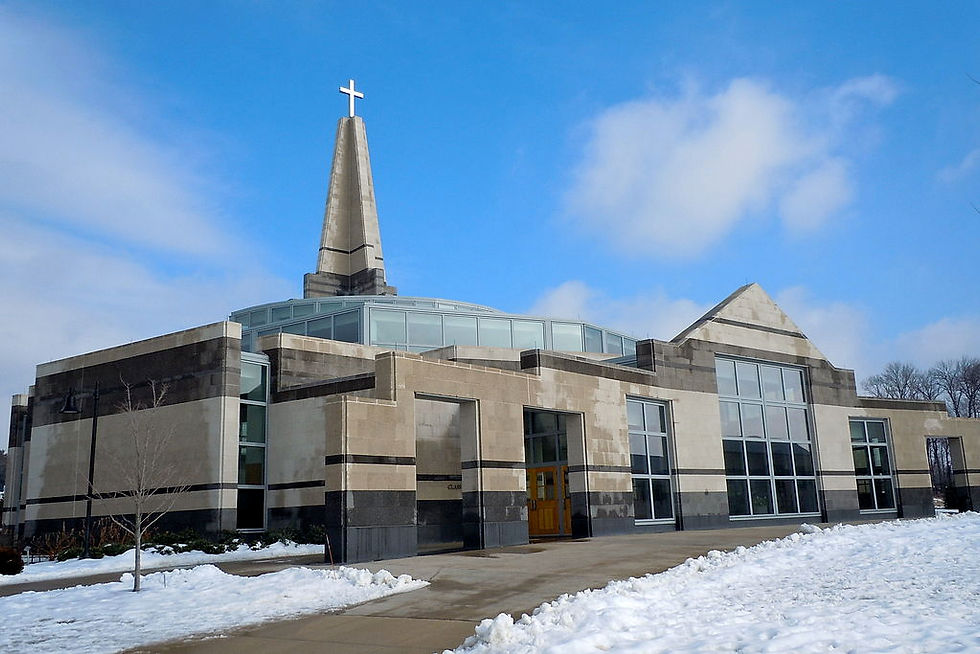


Postmodern architecture is a style or movement which emerged in the 1960s as a reaction against the austerity, formality, and lack of variety of modern architecture, particularly in the international style advocated by Le Corbusier and Ludwig Mies van der Rohe. The movement was given a doctrine by the architect and architectural theorist Robert Venturi in his 1966 book Complexity and Contradiction in Architecture. The style flourished from the 1980s through the 1990s, particularly in the work of Venturi, Philip Johnson, Charles Moore and Michael Graves. In the late 1990s it divided into a multitude of new tendencies, including high-tech architecture, neo-classicism and deconstructivism.
bottom of page